

A construction site or property under renovation is full of moving parts, and when something goes wrong, the question of who pays for it is rarely simple. Liability on a job site does not start the moment an accident happens; it begins much earlier, with decisions about equipment, waste management, structural materials, and site safety. Understanding where that responsibility actually originates can help you protect yourself, whether you are a property owner, a contractor, or someone who got hurt visiting a site. This article breaks down the key risk points you should know before, during, and after a project begins.
Structural Design Choices That Create Long Term Risk
Liability often traces back to decisions made long before construction crews ever show up, starting with the structural systems chosen for a building. Engineers and architects select load bearing components based on calculations that assume proper installation and regular inspection, and when those assumptions fail, the consequences can surface years later. Bar joists, for example, are a common feature in commercial roofing systems, and improper spacing or corrosion over time can lead to collapse. When a structural failure happens, liability may extend back to the manufacturer, the installer, or the property owner who ignored maintenance warnings.
Documentation matters enormously here. If a structural engineer approved a design but a contractor deviated from the plan during installation, that deviation often becomes the center of any legal dispute. Property owners should keep records of inspections and repairs related to structural components, since these documents often become the deciding factor in liability cases.
Site Safety Obligations Before Work Even Starts
Before the first piece of equipment arrives, property owners and general contractors already carry legal obligations to make the site reasonably safe for workers and visitors. This duty attaches the moment a site is identified for construction, not when crews actually break ground. Courts have found liability for incidents that occurred during early site walks, material deliveries, and even subcontractor bids, when the person touring the property was injured by a hazard the owner knew about but failed to address. Practically, this includes marking hazards, securing the perimeter with fencing or barricades, and ensuring that walkways are clear of debris and tripping hazards. It also means addressing issues like unstable soil, exposed utility lines, open excavations, and inadequate lighting before anyone steps onto the property for work-related purposes. Many jurisdictions expect a documented pre-construction safety assessment, and skipping this step can itself become evidence of negligence later. Courts generally look at whether a reasonable person in the property owner’s position would have anticipated the danger and taken steps to prevent it. This “reasonable foreseeability” standard often turns on specifics: Was there a prior incident on the site? Did the owner receive a complaint about a hazard? Was the danger obvious to anyone conducting a basic walkthrough? The number of parties involved at this stage also matters. When owners, general contractors, and subcontractors all have some presence on-site before work begins, courts may need to determine which party had control over the specific area where the injury occurred, since control often dictates who bore the duty to fix the hazard.
Before the first worker ever sets foot on site, legal liability is already taking shape. Site owners and general contractors are expected to identify foreseeable hazards, secure permits, and confirm that subcontractors carry adequate insurance and training credentials. Skipping these preliminary steps doesn’t just raise safety risks — it creates a paper trail of negligence that can surface months or years later in litigation. A failure to meet these basic obligations is one of the most common reasons job site injury claims succeed. Courts often look for evidence that a reasonable standard of care was met before work began, not just during it. Insurance companies and legal teams will often examine site logs, safety meeting records, and inspection reports to determine whether proper precautions were taken. They may also request documentation such as pre-construction hazard assessments, toolbox talk attendance sheets, and equipment inspection checklists completed in the days or hours before an incident occurred. Even small gaps — a missed signature on a safety briefing or an overdue equipment certification — can become pivotal evidence. In many cases, the absence of a single document is enough to shift liability from a subcontractor to a general contractor or property owner, since it suggests oversight failed at the earliest, most preventable stage.
- Posting clear signage near excavation areas, scaffolding, or electrical work, including OSHA-compliant warning labels and multilingual notices if crews speak different languages
- Securing loose materials that could shift or fall, especially on windy days or near elevated work platforms
- Keeping emergency access routes open at all times for fire trucks, ambulances, and evacuation during a sudden collapse or injury
- Verifying that subcontractors carry their own liability coverage and requesting certificates of insurance before they set foot on site
- Confirming subcontractor policies meet minimum coverage thresholds, since an underinsured sub can shift liability back to the general contractor
- Conducting daily walkthroughs to catch new hazards before work begins, documenting findings with photos and timestamps for your records
- Assigning a designated safety officer to sign off on each walkthrough so accountability doesn’t fall through the cracks
Waste Management Decisions and Their Hidden Risks
Waste removal might seem like a minor logistical detail, but it is actually a significant source of liability on active job sites. A roll off dumpster placed too close to a public sidewalk or parking area can become an obstacle that leads to a trip, fall, or vehicle collision. Property managers are responsible for ensuring that waste containers are positioned safely, clearly marked, and emptied on a schedule that prevents overflow.
Overloaded or improperly secured waste containers also pose fire and structural risks, particularly when construction debris includes flammable materials or sharp metal. Anyone contracting for debris removal should confirm that the rental company follows local placement regulations and provides containers rated for the type of waste being generated.
Temporary Facilities and Worker Welfare Requirements
Job sites are legally required to provide adequate sanitation facilities for workers, and failing to do so can expose a contractor to fines and liability claims. A porta potty trailer rental is a common solution for larger sites because it offers multiple units in one mobile structure, reducing the chance that workers will be forced to seek unsafe alternatives. Beyond convenience, proper sanitation reduces the risk of illness outbreaks that can shut down a project entirely.
Regulatory agencies typically specify minimum ratios of sanitation units to workers, and sites that fall short of these standards may face citations. Keeping these facilities clean, accessible, and properly serviced is a simple but often overlooked way to reduce overall site liability.
Building Design Decisions That Affect Long Term Safety
The type of structure being built can significantly influence liability exposure down the road. Clear span buildings, which use engineering techniques to eliminate interior support columns, are popular for warehouses and agricultural structures because they maximize usable space. However, because these buildings rely on stronger perimeter framing to compensate for the lack of internal supports, any shortcuts taken during construction can create serious safety risks that may not become apparent until years after completion.
Property owners considering this type of construction should request documentation showing that the building meets local wind load and snow load requirements. Skipping this step can shift liability back onto the owner if a structural failure occurs during a future storm or heavy snowfall.
What Happens Legally After an Injury Occurs
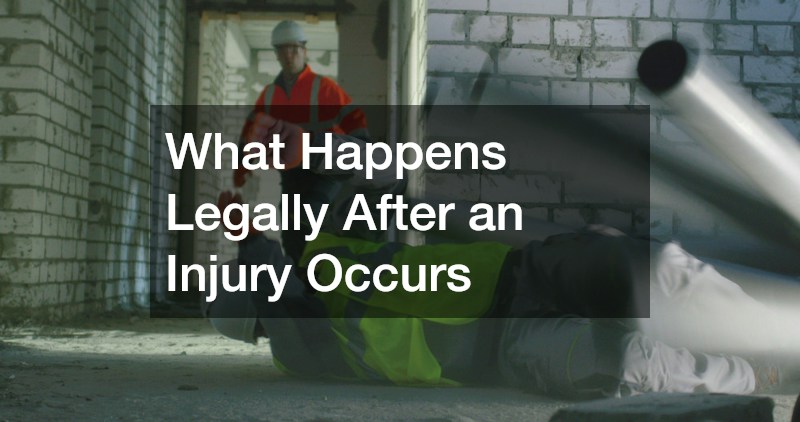
Once an injury happens on a job site, the legal process shifts from prevention to investigation. The first 48 to 72 hours matter enormously, since witness memories fade, equipment gets moved or repaired, and surveillance footage can be overwritten if no one requests it be preserved. Personal injury lawyers typically move quickly to secure incident reports, photographs, and any available video before that evidence disappears. From there, attorneys begin identifying every party that had a duty of care toward the injured person. This can include the property owner, general contractor, equipment supplier, maintenance company, or even a staffing agency that placed a temporary worker on site. Each of these parties may carry separate insurance policies, and each policy may have different coverage limits and exclusions that affect how a claim gets resolved. Establishing this chain of responsibility is often the most time-consuming part of a claim, since job sites frequently involve multiple contracts and layers of subcontracted work. A single project might have a general contractor overseeing five or six subcontractors, each bound by different indemnification clauses that shift liability back and forth. Sorting out who was actually responsible for the specific hazard that caused the injury can take weeks of document review before a claim even moves toward negotiation or litigation.
Evidence collection is critical in the days following an incident, and it often starts before anyone files a formal claim. Photos of the hazard from multiple angles, timestamped if possible, create a visual record that’s hard to dispute later. Witness statements gathered while memories are fresh carry far more weight than accounts given weeks afterward, when details blur or workers move on to other job sites. Maintenance logs and inspection records matter just as much, since they show whether equipment was serviced on schedule or whether a known issue went unaddressed. A missing entry or a gap in the paperwork can shift liability even when the hazard itself seems minor. Incident reports filed with OSHA, insurance adjusters, or internal safety officers should match up across the board — inconsistencies between what a supervisor reports and what a witness recalls can weaken an otherwise strong claim. The difference between a successful claim and a denied one often comes down to this documentation trail. Companies that train supervisors to secure the scene, take photos immediately, and preserve logs before they’re altered or discarded put themselves in a far stronger legal position than those scrambling to reconstruct events after the fact.
- Request copies of incident reports filed by the site supervisor, and note the filing date—most states require submission within 24 to 48 hours
- Photograph the hazard before it is repaired or removed, capturing wide shots for context and close-ups of the specific defect or condition
- Identify any surveillance cameras that may have captured the incident, then send a written preservation request before footage is overwritten, often within 7 to 30 days
- Get contact information from witnesses immediately, including subcontractors or delivery drivers who may leave the site and become hard to locate later
- Seek medical documentation the same day symptoms appear, since delayed treatment is a common reason insurers dispute injury claims
- Keep a personal written record of events while details are fresh, noting time, conditions, and anyone who was notified
Vehicle Involvement and Off Site Liability Extensions
Job site liability does not always stay within the boundaries of the property itself. Delivery trucks, equipment haulers, and worker vehicles frequently enter and exit the site, creating risk on adjacent roads and driveways. When a collision happens involving a work vehicle, a car accident lawyer may become involved to determine whether the incident falls under the employer’s commercial policy or the driver’s personal insurance.
These cases often hinge on whether the driver was acting within the scope of their job duties at the time of the crash. A delivery made during work hours using a company vehicle typically falls under employer liability, while a personal errand taken during a lunch break may not.
Legal liability on a job site rarely starts with the accident itself. It begins with early decisions about structural materials, safety planning, waste management, and worker welfare, all of which create a chain of responsibility that can be traced back when something goes wrong. If you are involved in a project or have been affected by an incident on one, understanding these early risk points can help you ask the right questions before problems arise. When in doubt, consult with a qualified legal professional who can evaluate the specific circumstances of your situation.
