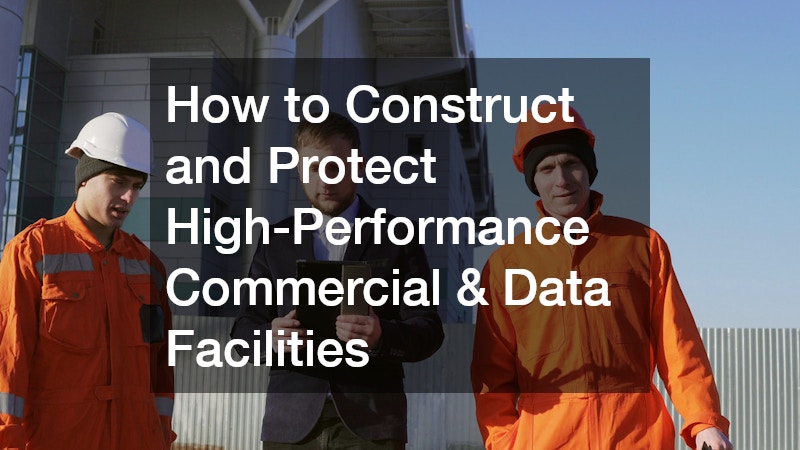
Designing, constructing, and maintaining modern high-performance facilities requires an uncompromising focus on structural integrity, environmental control, and operational efficiency. Whether developing a regional enterprise data center, a logistics hub, or a light-industrial commercial complex, the choices made during the initial site prep and building envelope design echo throughout the facility’s entire operational lifecycle. Today’s high-density operational centers house sensitive computing hardware, automated fulfillment systems, and heavy power distribution equipment that demand continuous climate control, strict contamination defense, and rock-solid foundational stability.
Achieving this level of reliability demands a unified strategy that bridges structural engineering, civil infrastructure, indoor environmental systems, and site maintenance. Bringing a facility from initial earthwork to decades of uninterrupted service requires coordinating specialized trade professionals, material suppliers, and ongoing asset management protocols. A minor flaw in ground grading, sub-surface utility piping, structural framing, or air handling can lead to catastrophic downtime, equipment degradation, or costly emergency retrofits. Owners and facility directors must understand how every phase of development interlocks to create a resilient, future-proof asset.
Ground Foundation and Site Earthworks
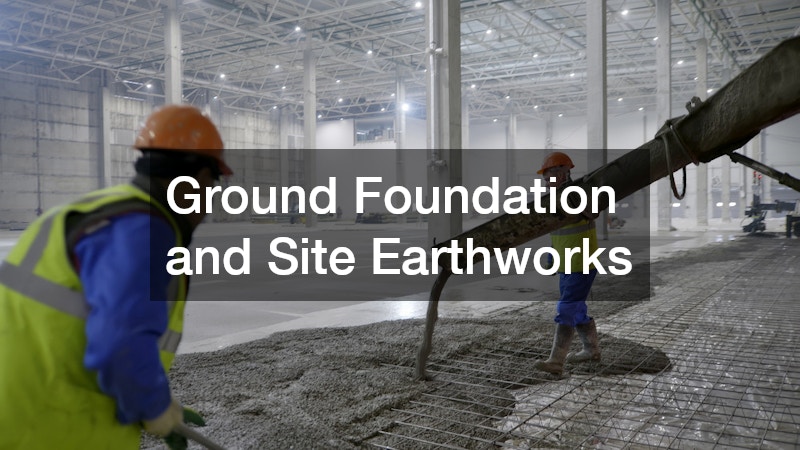
Before any steel is erected or systems are energized, the physical site must be engineered to support substantial static and dynamic loads. High-density facilities carry immense physical weight. Data centers, for example, feature server racks with heavy power banks, backup generator arrays, and massive cooling units that exert continuous downward force on floor slabs. Industrial complexes house dynamic machinery, forklift traffic, and dense inventory racking.
Establishing an unyielding base requires partnering with specialized concrete companies capable of pouring high-PSI, fiber-reinforced foundations designed to prevent micro-settling. Even minuscule structural shifts can misalign server racks, damage subterranean fiber lines, or crack delicate equipment mounting plates. Slabs must be precision-levelled and treated with moisture barriers to prevent ground humidity from seeping into sensitive computer rooms or warehouse bays. Proper curing techniques, vapor retarders, and strategic expansion joints ensure the floor remains impervious to structural strain and environmental shifts.
Parallel to foundation work is the deployment of critical sub-surface utility channels. High-performance facilities rely on complex underground webs for main water lines, fire suppression supply, greywater drainage, and heavy cabling conduits. Securing high-grade industrial piping through a dependable pipe supplier guarantees that liquid cooling systems, domestic water feeds, and site drainage networks remain leak-free under variable pressures. Improper conduit materials or inadequate sub-grade piping installation pose major threats; a single sub-slab line failure can force invasive trenching operations through operational facilities, causing extensive downtime.
Advanced Envelope Design and Structural Steel
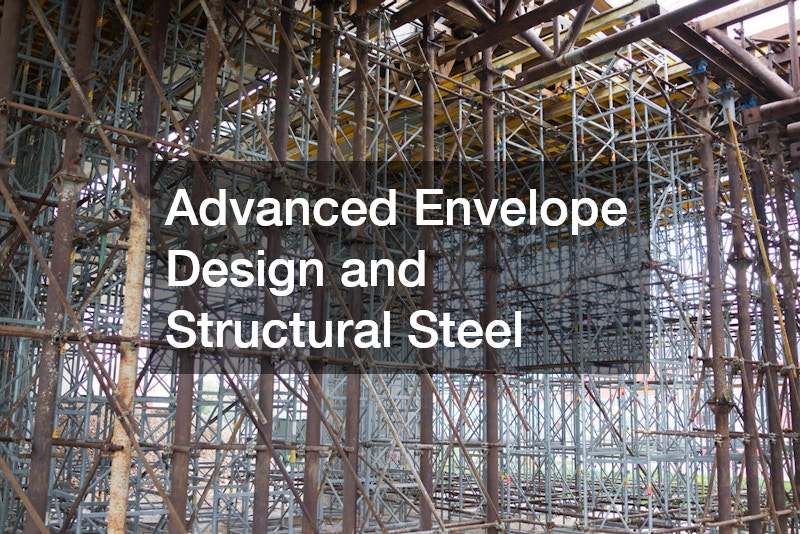
Once structural slabs and underground utility trunks are established, focus shifts to erecting a robust, adaptable building envelope. Commercial facility developers increasingly favor modular, precision-engineered steel systems to achieve rapid deployment schedules, immense clear-span interior spaces, and lower construction costs without compromising structural strength.
Utilizing custom pre engineered metal buildings allows developers to tailor the structure’s structural frame, clear height, and roof load capacity to exact operational requirements. These structures accommodate heavy roof-mounted cooling packages, solar arrays, and overhead crane rails while offering wide column spacing for flexible interior floor plans. For auxiliary structures, edge-of-property storage bays, or rapid regional expansions, having complete metal building kits delivered directly to the construction site accelerates framing timelines significantly. These pre-manufactured components arrive pre-cut and pre-drilled, minimizing field fabrication delays and ensuring seamless assembly.
Beyond basic structural framing, modular steel systems offer distinct thermal and structural integration benefits that streamline subsequent construction phases. Pre-engineered framing systems are designed with built-in attachment points and clear structural pathways that simplify the installation of insulated metal panels (IMPs). These high-performance exterior wall panels create a continuous vapor barrier and provide superior thermal insulation, which is essential for maintaining strict interior microclimates in high-density server halls. By establishing a tightly sealed building envelope early in the schedule, interior trades can begin sensitive electrical installations, cleanroom preparation, and equipment rigging much sooner, shortening the overall time to operational readiness.
Additionally, the inherent flexibility of steel structural frameworks simplifies future facility scaling and footprint modifications. As data processing demands grow or commercial fulfillment needs expand, facilities must adapt without disrupting active operations. Steel structures easily support modular additions, allowing developers to expand floor space, raise clear heights, or knock out non-load-bearing end walls to attach new bays. This adaptability eliminates the need for invasive, structurally complex demolitions, allowing site managers to seamlessly scale physical infrastructure alongside business growth.
However, off-the-shelf structural elements rarely meet every complex specification of high-tech facilities. Custom framing for security vestibules, specialized heavy equipment skids, catwalk networks, and structural reinforcements for heavy mechanical units require skilled metal fabrication services. On-site and shop-based fabricators modify steel structural components, weld load-bearing support frames, and fashion custom cable tray supports. The combination of precision steel manufacturing and specialized structural welding ensures the building shell can withstand high wind loads, seismic events, and decades of continuous operational stress.
Environmental Management and Climate Stability
Maintaining a sealed building shell is only half the battle; controlling the interior environment is paramount, especially for data facilities where server racks generate massive thermal output. Consistent temperature regulation and strict humidity control directly impact hardware longevity and overall power usage effectiveness (PUE). In modern mission-critical facilities, cooling systems are not mere comfort measures—they are primary operational lifelines.
Engineering these complex systems requires close collaboration with commercial ac contractors who specialize in high-density thermal management. These experts design and install precision cooling systems, chillers, evaporative cooling units, and hot/cold aisle containment layouts designed to remove heat efficiently. Variable refrigerant flow systems and intelligent variable frequency drive fans are integrated to adjust cooling outputs dynamically based on server loads. Proper balancing of air pressure ensures that hot exhaust air does not recalculate into cold intake paths, optimizing energy efficiency and preventing hardware thermal throttling.
Beyond initial system installation, precise airflow architecture requires continuous calibration to adapt to fluctuating computing demands. When server densities increase or computing workloads spike, localized hot spots can emerge rapidly within equipment racks. Advanced thermal distribution modeling and real-time sensor networks allow HVAC systems to direct chilled air exactly where heat concentrations are highest, preventing thermal throttling without needlessly over-cooling low-demand zones. This targeted climate control strategy drastically cuts unnecessary energy consumption, directly lowering operating expenses while extending the operational lifespan of sensitive microprocessing hardware.
Furthermore, managing indoor environmental quality extends beyond simple heat removal; humidity control is equally vital to preventing costly equipment failures. In dry environments, electrostatic discharge (ESD) risks increase significantly, posing a constant threat of irreversible static damage to exposed circuit boards and memory modules. Conversely, excessive humidity can trigger internal condensation, corroding delicate metal connections and creating electrical shorts. Commercial HVAC specialists deploy precision humidification and dehumidification equipment integrated directly into the air handling infrastructure, maintaining ideal relative humidity bands around the clock to protect critical digital assets.
Equally critical to thermal management is maintaining absolute air cleanliness. Sensitive microchips, circuit boards, and high-voltage electrical equipment are highly vulnerable to particulate contamination. Airborne dust, construction debris residue, and microscopic fibers accumulate on heat sinks and circuit components, acting as thermal insulators that lead to overheating or electrical short circuits. Implementing a rigorous program for air duct cleaning during commissioning and throughout the facility’s lifecycle guarantees that supply and return air channels remain free of particulate matter. Clean ductwork improves airflow velocity, reduces strain on air handling units, and ensures pristine indoor air quality across both office blocks and sensitive server halls.
Exterior Access Routes and Parking Infrastructure
A facility’s operational perimeter requires equal diligence. High-volume logistics centers and data hubs experience heavy vehicle traffic, ranging from multi-ton freight trucks delivering hardware to daily employee commuter vehicles. Parking areas, loading docks, and perimeter access roads must be engineered to endure constant wheel loads, chemical spills, and seasonal freeze-thaw cycles.
Contracting a qualified asphalt contractor ensures that exterior roadways, staging yards, and parking zones are paved with the appropriate binder and wearing courses tailored to heavy axle weights. Proper sub-base compaction, gravel grading, and drainage slopes are mandatory to prevent water pooling, which rapidly erodes sub-surface layers and causes potholing or structural rutting. Smooth, well-graded access roads allow logistics transport vehicles to maneuver safely and smoothly without transferring excessive vibration to sensitive cargo.
Pavements, however, begin degrading immediately upon exposure to sunlight, rain, oxygen, and automotive fluids. Asphalt binders oxidize over time, turning brittle and prone to cracking. Applying a professional sealcoating service every two to three years seals micro-fissures, protects the petroleum binder from UV degradation, and creates a barrier against oil and fluid leaks. Regular surface maintenance doubles the lifespan of asphalt pavements, prevents costly full-depth repaving operations, and maintains a clean, professional aesthetic for visiting clients and corporate stakeholders.
Perimeter Security and Site Beautification
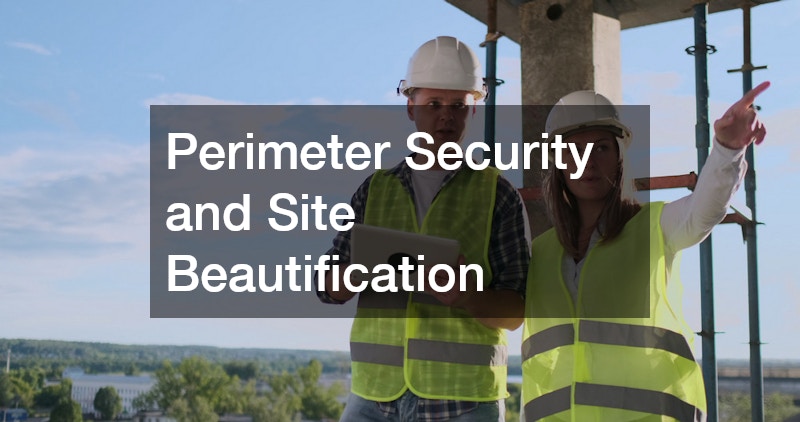
Modern commercial and data facilities are secure campuses that must balance high-grade physical security with environmental sustainability and local zoning aesthetic standards. Exterior grounds management encompasses stormwater control, security buffer zones, thermal island mitigation, and professional site appeal.
Engaging a commercial backyard landscaper or grounds management specialist ensures that outdoor green spaces are designed and maintained with functionality in mind. Strategic grading, retention pond plantings, and bio-swales absorb stormwater runoff, preventing site flooding and protecting underground utility trenches from erosion. Drought-tolerant turf, native trees, and xeriscaping principles reduce irrigation costs and eliminate overgrown vegetation that could compromise perimeter security cameras or fence line motion sensors. Tree canopies strategically planted around administrative blocks provide shade, reducing localized heat islands and lowering building cooling loads during summer months.
Beyond basic aesthetic choices, thoughtful grounds management integrates environmental controls that protect the facility’s core physical infrastructure. Heavy rainfall and improper surface drainage can erode backfill around utility conduits, compromise external equipment pads, or cause groundwater to infiltrate sub-surface trenches. By establishing deep-rooted vegetation and engineered drainage channels, landscape specialists create a natural filtration system that slows water movement, reduces soil displacement, and stabilizes the surrounding earth. This bio-retention approach not only satisfies municipal stormwater regulations but also shields underground power lines, fiber optic trunks, and water pipes from stress caused by shifting soil or standing water.
Furthermore, intelligent exterior planning directly reinforces physical security measures across the campus perimeter. Overgrown trees or unmanaged shrubs create visual blind spots for security personnel and obstruct critical camera angles, while dense foliage planted too close to perimeter barriers can give intruders leverage to bypass fencing. Commercial grounds teams curate low-growth, high-visibility foliage along fence lines, security checkpoints, and access gates to ensure uninterrupted sightlines for monitoring systems. Additionally, selecting low-maintenance, resilient plant species prevents the need for constant, invasive maintenance crews working near sensitive zones, thereby minimizing operational disruptions and limiting unnecessary third-party access to secured areas.
Maintaining clear sightlines around physical security perimeters, keeping drainage channels clear of debris, and curating an attractive outdoor environment enhances the property’s value while serving as an active defense line against natural elements.
Lifecycle Maintenance and Long-Term Value
Building a high-performance facility requires significant capital outlay; preserving its value and functionality demands a proactive, cross-disciplinary preventative maintenance framework. Reactive maintenance—waiting for a component to fail before addressing it—is fundamentally incompatible with high-availability commercial operations. Unplanned outages, water intrusion, or structural failures result in immediate financial losses, contractual penalties, and operational disruption.
Executing a successful asset management program requires establishing a synchronized schedule across all specialized facility disciplines. On a quarterly basis, teams should perform comprehensive physical inspections of structural steel framing, customized pre-engineered joints, roof membranes, and exterior metal panels to catch early signs of corrosion or structural strain. Simultaneously, grounds crews need to clear perimeter bio-swales and retention areas to maintain proper site drainage.
Bi-annually and annually, focus shifts toward heavy internal systems and surrounding civil works. Facilities managers should work alongside commercial HVAC technicians to conduct thorough mechanical audits, testing compressor health, replacing high-efficiency filtration media, and scheduling duct sweeps to maintain optimal airflow. Outdoors, annual paving reviews allow teams to identify micro-cracking across heavy vehicle lanes, scheduling sealcoating applications before winter weather worsens surface pitting. Concrete pads supporting heavy external chillers and backup generators should also be monitored for settling to ensure structural integrity over decades of continuous use.
By treating the facility as a unified ecosystem—where civil earthworks, structural steel framing, interior climate controls, and exterior grounds management work in harmony—owners and facility managers ensure maximum operational uptime, reduced energy consumption, and long-term asset value retention. Investing in quality materials, skilled trades, and relentless preventative maintenance forms the ultimate foundation for modern, resilient commercial infrastructure.