
Introduction
Across the country, skilled trades are experiencing a surge in demand as industries work to maintain aging infrastructure, expand energy systems, and support growing populations. While many careers require traditional four-year college degrees, the trades offer alternative pathways that combine hands-on training with strong earning potential and long-term job stability.
Industrial and infrastructure services rely heavily on trained technicians, operators, mechanics, and specialists who can maintain complex systems. These professionals help ensure that essential services—such as power transmission, transportation networks, water access, and construction—continue to function efficiently.
For individuals who enjoy practical work, problem solving, and working with specialized equipment, the trades provide a wide range of opportunities. Many positions offer structured apprenticeship programs that allow workers to earn income while learning valuable technical skills.
Infrastructure-focused careers also offer advancement opportunities. Workers who begin in entry-level positions often progress into supervisory roles, project management positions, or specialized technical fields. As industries continue to modernize and expand, skilled workers will remain critical to keeping essential systems operating safely.
The following guide explores several career paths within the skilled trades that support industrial operations and infrastructure services. Each role plays an important part in maintaining systems that communities rely on every day.
Understanding the Skills Needed to Work on Critical Power Infrastructure
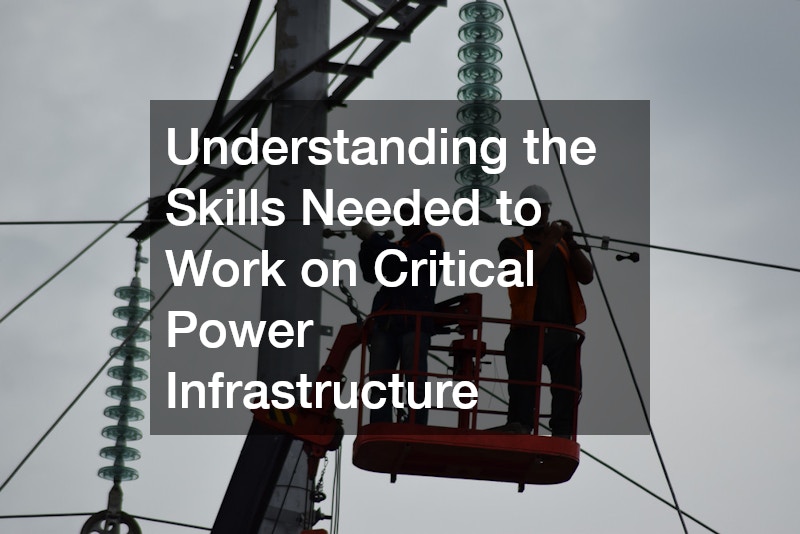
Electric power systems form the backbone of modern society. From residential homes to industrial manufacturing facilities, nearly every activity depends on reliable electricity. Workers involved in transmission services play a key role in maintaining the infrastructure that delivers electricity across long distances.
Transmission services involve maintaining high-voltage power lines, electrical substations, and supporting infrastructure that connects power generation facilities to communities. Skilled workers inspect, repair, and upgrade these systems to ensure continuous energy distribution.
Individuals entering this field may pursue careers such as:
-
Transmission line technician
-
Electrical infrastructure maintenance specialist
-
Substation technician
-
Utility system inspector
Professionals involved in transmission services must develop specialized technical knowledge and strong safety awareness. High-voltage systems require strict adherence to safety protocols and careful attention to detail.
Training pathways for these roles often include:
-
Utility apprenticeship programs
-
Electrical technician training courses
-
Occupational safety certifications
-
Hands-on field training with experienced technicians
Workers also learn how to operate specialized equipment used to access power lines and perform repairs safely.
Key skills needed for careers in transmission services include:
-
Understanding electrical systems and circuitry
-
Ability to read technical diagrams and schematics
-
Knowledge of safety regulations and procedures
-
Physical endurance for outdoor work in various conditions
As renewable energy systems and electrical grid upgrades continue to expand, demand for skilled workers in this field remains strong.
Building a Career in Environmental and Waste Management Operations
Sanitation infrastructure is essential for protecting public health and environmental safety. Workers who support wastewater systems help communities manage waste and maintain safe living conditions. One important role within this sector involves working for a septic pumping company.
A septic pumping company specializes in maintaining septic systems used in homes and businesses that are not connected to municipal sewer systems. These systems collect and treat wastewater on-site, requiring regular maintenance to function properly.
Workers in this field often perform tasks such as:
-
Pumping septic tanks to remove accumulated waste
-
Inspecting septic system components for damage
-
Cleaning pipes and filters within the system
-
Advising property owners on proper septic maintenance
Careers within a septic pumping company can range from equipment operators to technicians who inspect and repair system components.
Training for these roles typically includes:
-
Equipment operation instruction
-
Environmental safety training
-
Waste handling procedures
-
Local regulatory compliance education
Because septic systems play a vital role in protecting groundwater and preventing contamination, workers must understand environmental regulations and safe disposal practices.
Skills that support success in this field include:
-
Mechanical knowledge for maintaining pumping equipment
-
Ability to troubleshoot system malfunctions
-
Strong attention to safety procedures
-
Customer communication skills when advising property owners
Environmental service careers often provide stable employment because communities consistently require sanitation and wastewater management services.
Learning Construction Trade Skills That Support Building Projects
Construction trades remain among the most accessible and rewarding career paths within the skilled labor industry. Roofing work, in particular, offers opportunities for individuals who enjoy hands-on tasks and working outdoors.
A roofing company typically specializes in installing, repairing, and maintaining roof systems for residential, commercial, and industrial buildings. Roofing professionals ensure that structures remain protected from weather and environmental damage.
Workers within a roofing company may perform tasks such as:
-
Installing shingles, metal panels, or flat roofing materials
-
Inspecting roofs for signs of damage or leaks
-
Repairing storm-related damage
-
Replacing aging roofing systems
Entry-level positions often begin with basic labor tasks while workers learn the fundamentals of roofing materials and installation methods.
Training in this field commonly includes:
-
On-the-job apprenticeships
-
Safety training for working at heights
-
Equipment handling and ladder safety instruction
-
Roofing material installation techniques
Roofing work requires both physical stamina and attention to detail. Workers must carefully install materials to ensure proper waterproofing and structural durability.
Career advancement opportunities within a roofing company may include:
-
Crew leadership positions
-
Project management roles
-
Specialized installation work for commercial buildings
-
Independent contracting opportunities
With continued construction and renovation projects across residential and commercial markets, roofing professionals remain in high demand.
Developing Precision Metalworking Skills for Industrial Applications
Manufacturing and infrastructure construction depend heavily on metal components that must be precisely designed and assembled. Steel fabrications play a crucial role in producing structural elements used in buildings, bridges, machinery, and industrial equipment.
Workers involved in steel fabrications transform raw metal materials into finished components using cutting, shaping, and welding techniques.
Common responsibilities in this field include:
-
Reading engineering blueprints and technical drawings
-
Cutting metal sheets and structural beams
-
Shaping metal components using fabrication machinery
-
Assembling parts for construction or manufacturing projects
Professionals working in steel fabrications often operate specialized equipment such as:
-
CNC cutting machines
-
Metal press brakes
-
Plasma cutting tools
-
Industrial saws and grinders
Training programs for these roles typically focus on metalworking fundamentals, including measurement accuracy and machine operation.
Important skills for steel fabrication careers include:
-
Precision measurement and attention to detail
-
Ability to interpret technical plans and specifications
-
Knowledge of different metal types and their properties
-
Familiarity with fabrication machinery and safety protocols
Because steel components are widely used in infrastructure and construction projects, experienced fabrication specialists are valuable across many industries.
Exploring Transportation Infrastructure Careers With Rail Systems
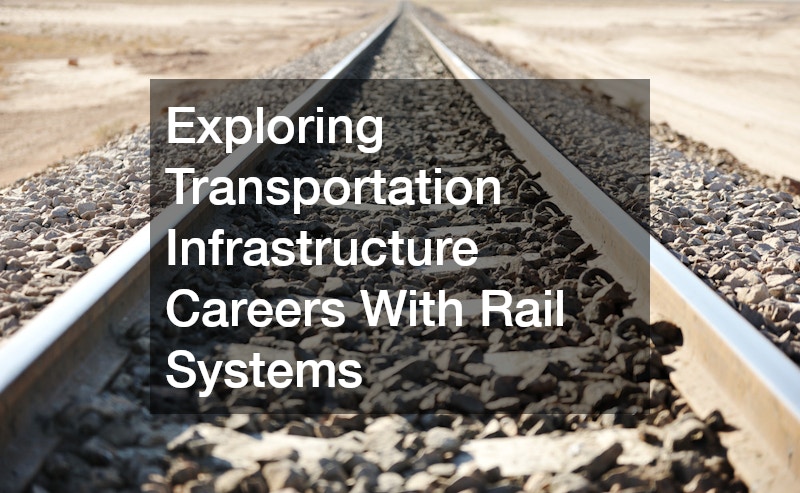
Rail transportation remains one of the most efficient methods for moving goods across long distances. Freight trains carry essential materials such as raw resources, agricultural products, and manufactured goods throughout the country.
Railway service companies help maintain the infrastructure that allows rail networks to operate safely and efficiently.
Workers employed by railway service companies perform a wide range of tasks, including:
-
Inspecting and repairing railway tracks
-
Maintaining rail switching systems
-
Operating track maintenance equipment
-
Conducting safety inspections along rail corridors
Careers in railway infrastructure require strong safety awareness due to the heavy equipment and moving trains involved.
Training often includes:
-
Rail safety certification programs
-
Equipment operation instruction
-
Track maintenance training
-
Hazard awareness and emergency response education
Workers may also learn how to identify structural issues in rails, ties, and track foundations.
Career opportunities within railway service companies may include:
-
Track maintenance technicians
-
Rail infrastructure inspectors
-
Equipment operators
-
Maintenance supervisors
Because rail networks are vital for national supply chains, skilled workers in this field benefit from consistent demand and long-term career stability.
Entering the Water Access and Resource Development Industry
Access to reliable water sources is essential for residential communities, agriculture, and commercial operations. In areas without municipal water systems, groundwater wells provide an important source of clean water.
A well drilling company specializes in installing and maintaining water wells that allow property owners to access underground water supplies.
Workers involved in drilling operations perform several important tasks, such as:
-
Operating drilling rigs and specialized equipment
-
Installing well casing and filtration systems
-
Testing groundwater quality and pressure
-
Maintaining drilling machinery
A well drilling company often works on projects ranging from residential water wells to large agricultural irrigation systems.
Training for this field typically includes:
-
Equipment operation certification
-
Safety training for heavy machinery use
-
Geological and soil condition education
-
Pump installation and maintenance instruction
Drilling work can be physically demanding, as workers often operate equipment in outdoor environments and varying terrain conditions.
However, careers within a well drilling company offer strong job security due to the constant need for water infrastructure development and maintenance.
Supporting Energy Reliability Through Backup Power Systems
Power outages can disrupt homes, businesses, hospitals, and critical infrastructure. Backup power systems provide an essential safeguard during emergencies and electrical failures.
A generator company installs and maintains generators that supply temporary electricity when the primary power source is unavailable.
Workers employed by a generator company may handle responsibilities such as:
-
Installing residential or commercial generator systems
-
Inspecting electrical connections and fuel systems
-
Diagnosing mechanical or electrical generator issues
-
Performing routine maintenance on backup power equipment
Technicians in this field must understand both mechanical systems and electrical components.
Training programs often include:
-
Electrical technician certification
-
Generator installation instruction
-
Engine maintenance education
-
Safety training for fuel systems and electrical work
Key skills for workers in a generator company include:
-
Troubleshooting electrical equipment
-
Reading technical manuals and wiring diagrams
-
Performing preventative maintenance procedures
-
Communicating with customers about system operation
As power reliability becomes increasingly important, careers within the backup power industry continue to expand.
Solving Complex Industrial Plumbing Challenges With Advanced Equipment
Large-scale plumbing systems used in industrial facilities, municipalities, and commercial buildings require specialized maintenance techniques. Over time, pipes may become clogged with grease, debris, or mineral deposits.
A hydro jetting company provides advanced cleaning services that restore pipe systems using high-pressure water technology.
Technicians working for a hydro jetting company use specialized equipment to remove blockages and buildup from sewer lines and industrial pipelines.
Typical job responsibilities include:
-
Inspecting pipes using camera equipment
-
Operating high-pressure water jetting machines
-
Clearing grease, sludge, and debris from pipelines
-
Performing preventative pipe maintenance
Workers in this field must follow strict safety procedures because hydro jetting equipment operates at extremely high pressure.
Training often involves:
-
Equipment operation instruction
-
Confined space safety certification
-
Plumbing system education
-
Hazard awareness training
A hydro jetting company may serve a variety of clients, including restaurants, manufacturing plants, municipalities, and commercial facilities.
Because pipe maintenance is essential for preventing major system failures, experienced technicians are in high demand.
Mastering Metal Joining Techniques for Heavy Industrial Projects
Metal structures used in infrastructure and manufacturing must be joined with exceptional strength and precision. Welding professionals are responsible for connecting metal components in ways that ensure structural integrity.
An industrial welding company specializes in performing welding operations for pipelines, construction projects, heavy machinery, and infrastructure systems.
Workers in an industrial welding company may perform tasks such as:
-
Joining steel components for structural frameworks
-
Welding pipelines used in energy and water systems
-
Repairing damaged metal equipment
-
Inspecting welds for structural integrity
Welding professionals must learn several welding techniques, including:
-
Shielded metal arc welding
-
Gas metal arc welding
-
Flux-cored arc welding
-
Tungsten inert gas welding
Training programs for welding careers often include vocational education or apprenticeship programs.
Key skills for success in an industrial welding company include:
-
Precision and attention to detail
-
Ability to interpret engineering drawings
-
Knowledge of metal properties and heat effects
-
Strong hand-eye coordination
Highly skilled welders often earn specialized certifications that allow them to work on complex infrastructure and industrial projects.
Operating Heavy Lifting Equipment for Large Construction Projects
Large construction and infrastructure projects require specialized equipment capable of lifting heavy materials and machinery. Cranes play a crucial role in building bridges, skyscrapers, industrial facilities, and transportation infrastructure.
A crane company provides equipment and trained operators to safely move large loads during construction and industrial operations.
Workers employed by a crane company may perform tasks such as:
-
Operating cranes to lift and position materials
-
Conducting equipment inspections before operation
-
Coordinating with construction crews during lifting operations
-
Ensuring loads are balanced and secured properly
Operating heavy lifting equipment requires extensive training and certification.
Training programs often include:
-
Crane operator certification courses
-
Safety training for load handling and equipment stability
-
Mechanical knowledge of crane systems
-
Communication training for coordinating with ground crews
Careers within a crane company may include:
-
Certified crane operators
-
Equipment maintenance technicians
-
Rigging specialists
-
Site supervisors or project managers
Because cranes are essential for large-scale construction projects, skilled operators play a vital role in modern infrastructure development.
Conclusion
The skilled trades offer a wide variety of career paths that support the infrastructure and industrial systems modern communities depend on every day. From maintaining transportation networks and power systems to installing water infrastructure and constructing buildings, skilled workers play an essential role in keeping society functioning.
For individuals interested in hands-on work, technical problem solving, and long-term job stability, careers in the trades provide an excellent alternative to traditional office-based professions. Many of these roles offer competitive wages, opportunities for advancement, and the satisfaction of working on projects that have a visible impact on communities.
With the growing need to repair aging infrastructure and expand industrial capabilities, demand for skilled workers will continue to rise. By pursuing training programs, apprenticeships, and technical certifications, individuals can build rewarding careers that contribute to essential services and long-term economic growth.
