
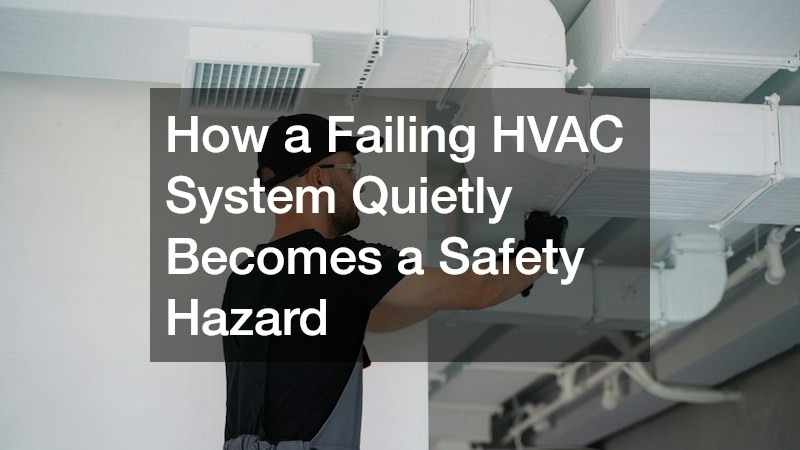
Most people think of a struggling HVAC system as an inconvenience: a stuffy bedroom, a noisy vent, a higher utility bill. But heating and cooling systems that are allowed to degrade over time can create real dangers, from carbon monoxide leaks to electrical fires. Understanding the warning signs can help you protect your family or employees before a minor malfunction turns into a serious incident.
This article breaks down the specific ways an aging or neglected HVAC system can put people at risk, and what to watch for along the way.
Carbon Monoxide Leaks From Cracked Heat Exchangers
A furnace’s heat exchanger separates the combustion process from the air that circulates through your home or building. When that metal component cracks or corrodes from years of heating and cooling cycles, carbon monoxide can leak into the breathable air supply. This gas is colorless and odorless, which means occupants often have no idea anything is wrong until symptoms like headaches, dizziness, or nausea appear.
Regular inspections are the only reliable way to catch this problem before it becomes dangerous. A technician can detect hairline cracks and corrosion long before they become severe enough to leak gas in noticeable amounts.
- Install carbon monoxide detectors on every level of the building, not just near the furnace
- Schedule a professional inspection of the heat exchanger at the start of every heating season
- Replace furnaces older than 15 to 20 years rather than continuing to patch them
- Watch for soot stains, a yellow pilot light, or unusual odors near the unit
Electrical Fires From Worn Wiring and Overheating Components
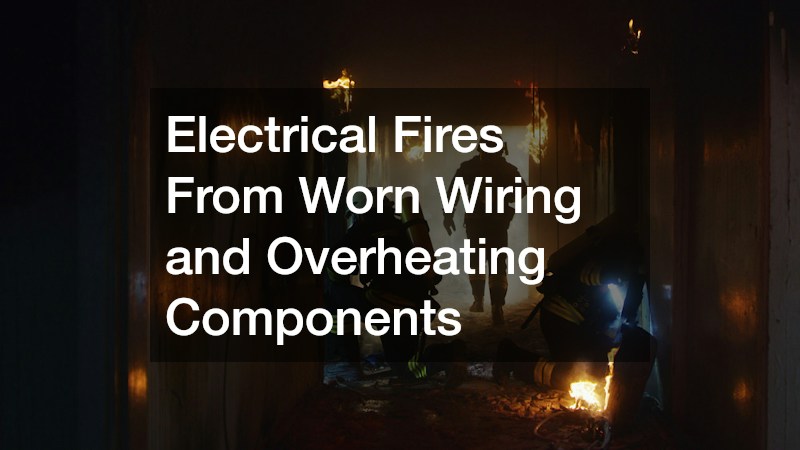
HVAC systems draw significant electrical current, and over time the wiring, capacitors, and connections inside them can loosen, fray, or overheat. A failing motor or compressor often draws more power than it was designed to handle, forcing it to pull higher amperage through wires and breakers sized for normal operation. This strain shows up as warm or discolored outlets, a breaker that trips repeatedly, or a faint burning smell near the unit — all signs that are easy to dismiss until the damage is already underway. Capacitors are especially vulnerable. As they age, they lose their ability to regulate the electrical charge needed to start and run the motor, which causes it to work harder and generate excess heat. A bulging or leaking capacitor is often the first visible clue, but by the time it’s noticeable, nearby wiring insulation may already be softening or melting from sustained heat exposure.
Rodents, moisture, and simple age can also compromise wiring that runs through attics, crawl spaces, and mechanical rooms — areas that rarely get a visual inspection unless something goes wrong. Exposed copper, loose wire nuts, or corroded connections create resistance points where heat builds up fastest. In worst cases, this combination of strain, heat, and exposed wiring can lead to sparking, melted insulation, or an electrical fire inside a wall cavity or mechanical room, often in a space where it can smolder undetected before it’s discovered.
Worn insulation, loose connections, and overworked capacitors generate heat over time, and in a system that’s run hard without adequate maintenance, that heat has nowhere to go but into surrounding wiring and panels. Businesses running larger rooftop units or multi-zone systems face a higher risk simply because of the scale and complexity involved—more compressors, more circuits, and more points where a connection can loosen or insulation can fray. A single rooftop unit might have a dozen electrical connections that need periodic inspection, and in a multi-zone building that number multiplies quickly.
Warning signs often show up well before any visible flame. Breakers that trip repeatedly, outlets or switches near the HVAC panel that feel warm to the touch, flickering lights when the system cycles on, or a faint burning odor near vents are all signals that something electrical is working harder than it should. Discoloration around outlets or a persistent buzzing sound from the unit’s electrical panel are equally worth investigating. For this reason, many property managers schedule commercial HVAC repair appointments at the first sign of these irregularities rather than waiting for a full breakdown. Technicians can use thermal imaging to spot hot spots in wiring before they become visible problems, catching a failing component weeks or months ahead of failure. Catching these issues early is far less disruptive than dealing with fire damage, a tripped insurance claim, or an emergency shutdown during business hours.
Mold and Bacterial Growth in Neglected Ductwork
When an HVAC system struggles to control humidity, moisture can build up inside ducts, drip pans, and coils. That damp environment is an ideal breeding ground for mold spores and bacteria, which then circulate through the air every time the system runs. People with asthma, allergies, or compromised immune systems are especially vulnerable to the respiratory symptoms this can cause.
The problem tends to grow quietly because ductwork is hidden inside walls and ceilings where nobody is checking it regularly. By the time musty odors become noticeable, the contamination has often spread through a large portion of the system.
- Check drip pans and condensate lines for standing water during routine maintenance
- Replace air filters on schedule to reduce moisture and debris buildup
- Have ductwork professionally inspected if you notice musty smells or visible staining near vents
- Keep indoor humidity between 30 and 50 percent to discourage mold growth
Gas Leaks From Deteriorating Connections and Valves
Gas-powered furnaces and heaters rely on fittings, valves, and flexible connectors that can loosen or corrode as a system ages. A small leak might go unnoticed for weeks, especially in a basement or utility closet that people rarely enter. Natural gas is highly flammable, and even a minor leak near a spark or open flame can trigger a dangerous situation.
Utility companies add a sulfur-like odorant to natural gas specifically so leaks can be detected by smell, but that only helps if someone is nearby to notice it. Combination gas and carbon monoxide detectors offer an extra layer of protection for rooms where HVAC equipment is installed.
- Learn the distinct rotten egg smell associated with natural gas leaks
- Avoid using light switches or flames if you suspect a leak, since sparks can ignite escaped gas
- Evacuate the area and contact your gas utility or emergency services immediately if a leak is suspected
- Schedule professional servicing of gas connections at least once a year
Structural and Fire Risks From Overworked Compressors and Motors
When a compressor or blower motor is forced to run constantly because the system can no longer maintain set temperatures efficiently, it generates excessive heat and mechanical stress. This can cause bearings to seize, belts to snap, or internal components to overheat to the point of smoking. In rare but serious cases, an overheated motor can ignite nearby insulation or debris that has accumulated inside the unit.
Dust and debris buildup inside an aging system makes this risk worse, since lint and dirt act as fuel if a component does overheat. Keeping the area around indoor and outdoor units clear, along with scheduling routine cleanings, meaningfully reduces this danger.
- Clear leaves, dust, and debris from around outdoor condenser units regularly
- Listen for grinding, squealing, or buzzing sounds that suggest motor strain
- Avoid blocking vents or return air grilles, which forces the system to work harder
- Replace worn belts and bearings before they fail completely
Conclusion
A failing HVAC system rarely announces itself with a dramatic breakdown; instead, it tends to send small, easy-to-ignore signals long before anything becomes dangerous. Paying attention to odd smells, strange noises, and rising energy bills gives you the chance to intervene before a comfort issue becomes a safety emergency. If you notice any of the warning signs described here, treat them as a prompt to schedule a professional inspection rather than something to put off. Acting early protects not just your equipment, but the people who breathe the air it circulates every day.
