
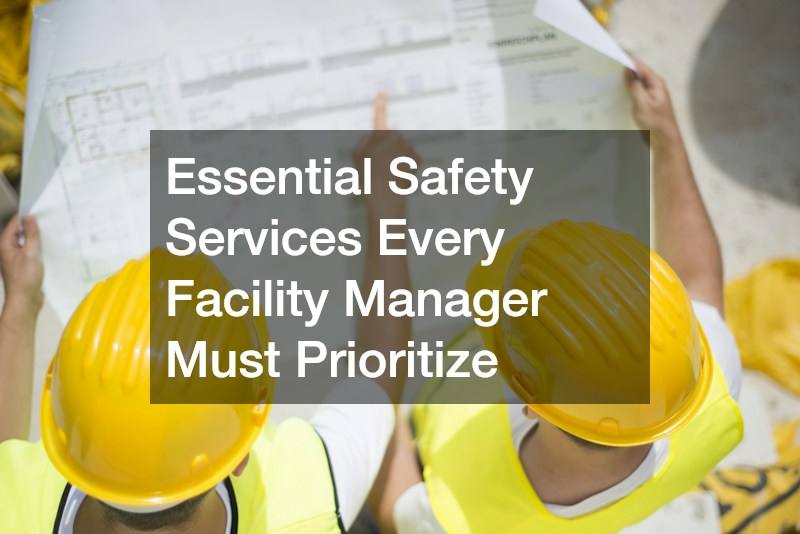
Ensuring the safety, structural integrity, and regulatory compliance of a commercial or industrial facility requires constant oversight. Facility managers balance complex operations daily, managing everything from physical building upkeep to employee health protocols. Failing to address underlying environmental hazards or neglecting basic physical safeguards can lead to catastrophic operational failures, costly litigation, and compromised worker health. Building a comprehensive safety management framework requires engaging specialized service providers, maintaining rigorous physical equipment standards, and establishing proactive administrative procedures. By prioritizing essential services across physical infrastructure, environmental hazard abatement, and operational compliance, facility managers can create a secure, productive environment while safeguarding their organization against liability.
Establishing Groundwork and Utility Safety Standards
Every secure commercial facility relies on a sound physical foundation and safe basic utilities. Before any facility expansion, structural modification, or major exterior maintenance project takes place, understanding precise property boundaries and geographical topography is paramount. Facility managers who oversee large industrial campuses or sprawling commercial sites must regularly coordinate with professionals who perform a land survey. Accurate boundaries ensure that heavy infrastructure modifications, utility installations, and perimeter safety features comply with local zoning rules and avoid dangerous encroachment onto adjacent properties or underground municipal utilities. Precise boundary verification also prevents disputes with neighboring landholders, ensures that fire lanes and emergency exit pathways remain entirely within lawful site boundaries, and protects civil engineering teams from inadvertently disturbing unrecorded utility lines during excavation.
Once property lines and physical boundary safety are assured, facility leaders must direct their attention to internal building utility systems, specifically water distribution. Clean water access is critical not only for occupant health and sanitation but also for heating, cooling, and industrial process machinery. Engaging a qualified water treatment service ensures that building systems remain free of toxic contaminants, heavy metals, and harmful bacterial growth, such as Legionella, which thrives in improperly maintained cooling towers and plumbing systems. Regular testing and chemical balancing extend the operational lifespan of expensive plumbing infrastructure while protecting workers and visitors from waterborne illnesses. Furthermore, proper water care prevents internal corrosion within closed-loop heating and cooling circuits, maintaining energy efficiency across the facility and avoiding sudden system ruptures that could flood work zones or damage electrical sub-panels.
Establishing clear operational boundaries and guaranteeing clean utility access form the foundational layer of any facility safety program. When physical grounds are accurately mapped and basic environmental utilities are kept free from dangerous contamination, managers remove baseline risks that could otherwise disrupt business operations. These baseline precautions establish a controlled physical footprint where structural growth, ongoing operational activities, and routine maintenance can proceed without unpredictable site-level disruptions or hidden environmental exposure risks.
Preserving Physical Equipment and Personal Protection Standards
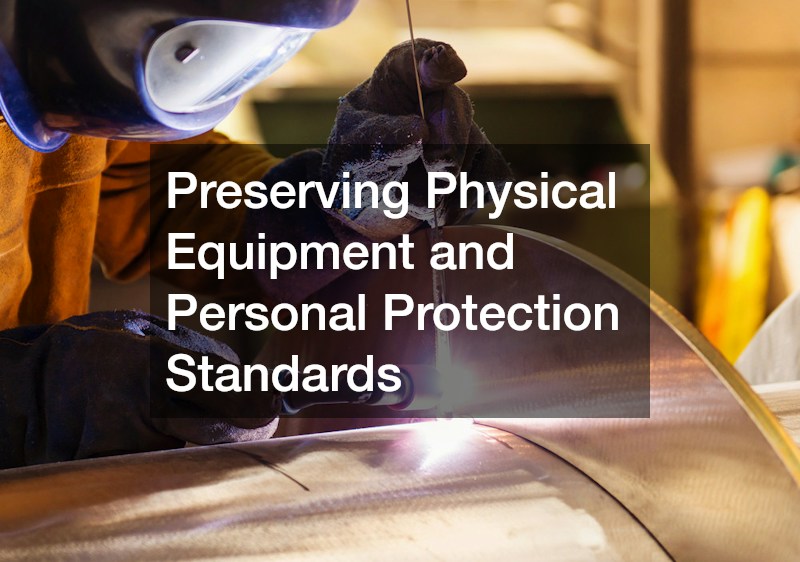
In environments where active industrial work, heavy maintenance, or facility renovations occur, protecting personnel requires strict adherence to comprehensive physical gear standards. Employees and contracted technicians working in mechanical rooms, busy loading docks, high-voltage utility closets, or active construction areas face constant, daily exposure to severe impact hazards, caustic chemical spills, flying debris, and electrical shock risks. Facility safety guidelines must mandate appropriate protective gear without exception, ensuring that every worker on-site wears high-quality work boots designed with slip-resistant rubber soles, metatarsal protection, and certified steel or composite toe caps. Mandating proper footwear significantly reduces common workplace injuries, such as slips, trips, falls, puncture wounds from stray nails, and severe crushing injuries caused by dropped tools or heavy material handling equipment. Additionally, detailed footwear policies must address job-specific atmospheric and surface threats, requiring dielectric soles where high-voltage electrical panels are present, heat-resistant tread patterns for hot asphalt or welding zones, or specialized chemical-resistant synthetic compounds where corrosive liquids and solvents are processed, stored, or transported. Establishing clear routines for daily footwear inspection ensures that worn treads or compromised toe caps are retired before a catastrophic accident occurs.
Beyond individual personal protective equipment, the heavy machinery and specialized motorized fleet utilized to maintain expansive facility grounds and structural assets require routine mechanical oversight and rigorous operational protocols. Industrial facility maintenance frequently involves heavy specialized machinery, including skid steers, articulated boom lifts, telehandlers, forklifts, and heavy excavators. Operating malfunctioning, uncalibrated, or neglected machinery presents severe life-threatening risks to machine operators and nearby foot-traffic personnel alike. Facility managers must partner with certified technicians specializing in construction equipment repair to carry out scheduled preventive maintenance, hydraulic line pressure checks, brake system testing, engine diagnostic scans, and structural weld repairs. Promptly repairing routine wear and tear on heavy machinery eliminates unpredictable mechanical failures that could lead to severe workplace accidents, runaway equipment, tipped platforms, or sudden structural collapses during elevated maintenance procedures. Scheduled mechanical overhauls and logged inspection routines also preserve manufacturer warranties, ensure that emergency safety shut-off sensors and roll-over protection systems function correctly, and prevent subtle hydraulic fluid leaks that create dangerous slip hazards on concrete shop floors.
Pairing proper individual gear requirements with meticulous machinery maintenance forms an effective, multi-layered defensive barrier against physical injuries across all operational departments. When facility personnel are adequately equipped with high-performance personal protective gear and heavy machinery is maintained in prime operational condition, the likelihood of acute physical trauma on-site drops dramatically. Continuous oversight of gear compliance, routine safety audits, and persistent mechanical health monitoring instill a deep culture of physical accountability across all shift crews. This unified approach ensures that basic safety apparel and complex operational machinery are held to identical quality standards, creating a secure environment where industrial productivity and employee safety mutually reinforce one another daily.
Eliminating Toxic Environmental and Biological Hazards
Older structures or facilities that have suffered water damage often harbor hidden environmental threats that demand immediate professional remediation. Asbestos remains one of the most hazardous materials found in commercial buildings constructed prior to modern material bans. Present in insulation, pipe wrapping, ceiling tiles, and flooring adhesives, undisturbed asbestos may seem benign, but friable fibers released into the air cause severe respiratory illnesses and cancers. Facilities teams planning renovations or routine building maintenance must commission thorough inspections and hire certified experts in asbestos removal to safely contain, extract, and dispose of these toxic materials without contaminating air handling systems. Specialized contractors utilize negative pressure containment zones and specialized filtration systems to ensure that toxic dust particles never enter active work areas or surrounding community spaces during the remediation phase.
Similarly, indoor air quality is frequently threatened by excessive moisture buildup, leading to widespread fungal growth. Water leaks, high humidity, and poor ventilation create ideal conditions for harmful toxic molds to flourish within wall cavities, HVAC ducts, and drop ceilings. Facility leaders must act decisively at the first sign of water intrusion by calling in specialized teams trained in mold removal. Professional remediation stops spores from circulating throughout the building, preventing chronic respiratory problems among staff, protecting indoor air quality, and preserving structural building materials from rot. Remediation technicians do not simply clean affected surfaces; they isolate the underlying moisture sources, dry hidden wall cavities using high-capacity dehumidification systems, and apply anti-fungal treatments to inhibit future spore germination.
Gaseous contaminants present another subtle yet serious environmental concern that facility managers cannot afford to ignore. Radon, a naturally occurring radioactive gas resulting from the decay of uranium in soil and rock, can seep into commercial basements and ground-floor foundations through structural cracks. Because radon is colorless and odorless, prolonged exposure can lead to lung cancer without occupants ever knowing they are at risk. Facility directors must implement routine gas testing and partner with reputable radon mitigation companies to design sub-slab depressurization systems that exhaust the gas harmlessly away from the structure. Continuous electronic monitoring systems should also be installed in subterranean spaces to provide immediate warnings if gas levels exceed established health thresholds.
Certain sudden incidents require an immediate, specialized cleaning response to neutralize biohazardous materials. Medical emergencies, industrial accidents, or chemical spills introduce dangerous pathogens and toxic substances into the work domain. Attempting to resolve these incidents using standard janitorial methods exposes cleaning personnel to bloodborne pathogens, dangerous viruses, and hazardous chemical residue. Facility protocols must outline strict procedures for calling in professional biohazard cleanup crews equipped with specialized personal protective gear, industrial-grade disinfectants, and compliant disposal containers. These certified crews follow strict containment protocols, verifying through surface testing that all biological agents are completely destroyed before a work zone is cleared for employee re-entry.
Addressing chemical, fungal, gaseous, and biological hazards through professional intervention ensures that the invisible threats within a building are managed as rigorously as visible mechanical risks. Maintaining clean indoor air and sterile working spaces safeguards long-term occupant health across all operational departments, preventing chronic occupational health conditions and keeping absentee rates low.
Administrative Governance and Legal Risk Management
Ensuring site safety requires more than physical repairs and environmental remediation; it demands strong administrative policies and continuous employee education. Managing human capital, safety training, regulatory reporting, and internal policy enforcement falls directly within the scope of a robust human resource management service. HR professionals work closely with facility managers to craft clear safety handbooks, organize mandatory safety training modules, and maintain detailed records of occupational health compliance. By establishing clear protocols for reporting hazards and conducting safety audits, administrative teams foster a strong workplace safety culture. Furthermore, an effective administrative structure oversees employee health screening programs, manages return-to-work protocols following injuries, and ensures that third-party contractors entering the facility meet all internal safety credential requirements before stepping foot on site.
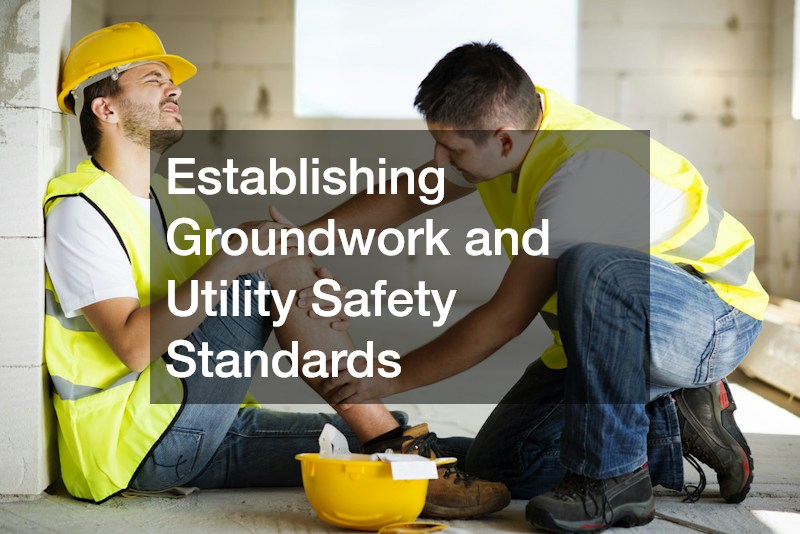
Despite rigorous prevention protocols, serious accidents can still occur on commercial properties. When a worker, contractor, or visitor sustains a severe injury on-site, the financial and legal ramifications for the company can be immense. Injured parties often retain an accident attorney to evaluate site conditions, review safety logs, and pursue legal compensation for medical bills and lost wages. In these critical moments, a facility manager’s meticulous record-keeping, documented equipment repairs, and strict adherence to safety standards serve as the company’s primary defense against claims of gross negligence. Having detailed inspection records, training logs, and proof of timely hazard abatement demonstrates that the management team acted responsibly and took all reasonable steps to maintain a safe working environment.
Aligning operational safety with administrative oversight ensures that safety measures are enforced consistently across the organization. When HR processes reinforce daily facility rules, businesses reduce both the likelihood of workplace accidents and their exposure to legal liabilities. Administrative governance bridges the gap between daily physical site routines and corporate legal obligations, creating an accountable framework where safety is continuously documented, measured, and improved.
Building an Integrated Facility Safety Framework

To manage a modern commercial facility successfully, safety cannot be treated as a collection of isolated tasks. Physical infrastructure checks, personal protective gear policies, environmental hazard abatements, and administrative oversight must operate as a unified framework. Facility managers who take a holistic approach to safety build resilient environments that protect physical assets, safeguard human life, and withstand legal scrutiny. Integrating these diverse disciplines into a single operating strategy ensures that every employee, contractor, and visitor benefits from a multi-layered safety shield.
Implementing this unified approach requires consistent review cycles and proactive communication across all departments. Managers should schedule routine property audits to verify land boundaries and overall physical site safety while maintaining strict maintenance logs for all heavy equipment. Furthermore, enforcing protective gear policies consistently across all work areas ensures that appropriate footwear is worn by field personnel at all times. Establishing clear cross-departmental communication channels allows floor supervisors to escalate physical or environmental concerns to management immediately, speeding up corrective action and preventing minor maintenance issues from turning into major hazards.
Conducting regular indoor environmental assessments allows facilities to identify potential mold, asbestos, or radon risks early. Establishing standing contracts with qualified emergency response teams enables rapid biological decontamination and hazard remediation whenever an incident occurs. Having pre-arranged service agreements eliminates administrative delays during emergencies, ensuring that specialized cleanup teams arrive on-site without hesitation to contain leaks, spills, or biological contamination.
Coordinating with administrative teams guarantees that safety handbooks and employee training programs align with current regulatory requirements. Regular policy reviews keep the facility compliant with evolving state and federal workplace standards, protecting the organization from administrative fines and regulatory closures. Joint committees composed of facility engineers, HR officers, and site supervisors should meet periodically to analyze near-miss reports, evaluate equipment wear trends, and update emergency action plans based on real-world operational feedback.
By prioritizing these essential services and maintaining clear operational records, facility managers eliminate major environmental and physical hazards before they cause harm, safeguarding employee health, ensuring business continuity, and building an efficient working environment. A comprehensive safety program ultimately transforms facility management from a reactive maintenance effort into a strategic asset that supports long-term organizational success, enhances worker retention, and establishes an enduring benchmark for operational excellence.
