
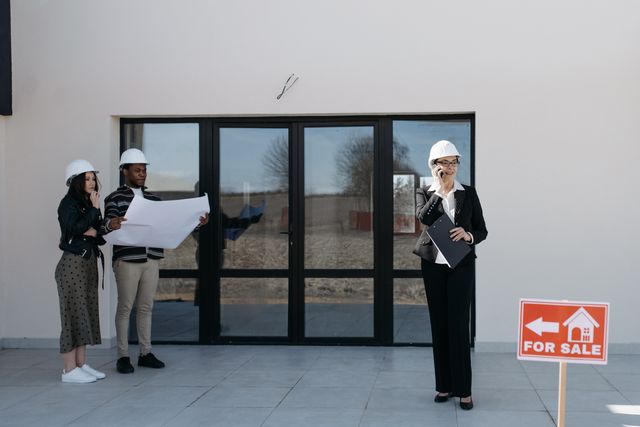
- Analyze the numbers first: Review NOI, cap rate, operating expenses, occupancy, and projected cash flow to understand the property’s financial performance.
- Evaluate the location and market: Examine tenant demand, competition, accessibility, development activity, and local economic trends before investing.
- Scrutinize tenants and leases: Review the rent roll, lease expiration dates, rental rates, renewal options, and tenant concentration to assess income stability.
- Complete thorough due diligence: Inspect the property and investigate zoning, environmental conditions, title records, permits, deferred maintenance, and potential capital expenditures.
- Stress-test the investment: Model different scenarios for vacancy, repairs, financing costs, rental income, and resale value to determine whether the deal remains viable under less favorable conditions.
Evaluating a commercial property before investing requires more than looking at the asking price or the appearance of the building. Investors need to understand how the property generates income, what it costs to operate, how much it may be worth in the future, and what risks could affect returns. Location, tenants, lease terms, vacancy, operating expenses, financing, property condition, and local market conditions can all influence the outcome of an investment. A thorough evaluation helps investors determine whether a property has sustainable income potential and whether the expected return justifies the risks. By following a structured process, you can make better-informed commercial real estate investment decisions.
What Should You Look at First When Evaluating a Commercial Property?
Before calculating returns or negotiating a purchase price, start by developing a clear understanding of the property itself. Commercial real estate can include office buildings, retail centers, warehouses, industrial facilities, multifamily properties, and mixed-use developments, and each asset type has different income characteristics and risks. The first stage of evaluation should therefore establish what you are buying, how it is currently being used, and whether its existing use aligns with your investment objectives.
Begin by gathering the property’s basic information and reviewing the surrounding market. A property with strong physical characteristics may still be a poor investment if demand in the area is declining. Likewise, an older building may present an attractive opportunity if it sits in a growing location with strong tenant demand.
Pay attention to:
- Property type: Understand whether the asset is office, retail, industrial, multifamily, mixed-use, or another commercial category.
- Size and usable space: Compare total building area with rentable or income-producing space.
- Current occupancy: Determine how much of the property is occupied and how much is vacant.
- Property age and condition: Older properties may require significant capital improvements.
- Location: Examine accessibility, visibility, nearby businesses, transportation, population trends, and development activity.
- Current use: Confirm that the property’s existing use is permitted under applicable zoning and land-use regulations.
This initial review establishes the foundation for the financial analysis that follows.
How Does Location Affect Commercial Property Value?
Location is one of the most important factors in commercial real estate because it directly influences tenant demand, rental rates, occupancy, resale potential, and long-term appreciation. However, evaluating location requires more than identifying a desirable neighborhood. Investors should determine whether the specific property is positioned to benefit from the economic activity occurring around it.
A retail property, for example, may depend heavily on traffic counts, visibility, parking, nearby residential growth, and complementary businesses. An industrial property may benefit more from highway access, transportation infrastructure, labor availability, and proximity to distribution networks. Office properties can be influenced by employment trends, public transportation, business activity, and the quality of surrounding amenities.
When researching a location, consider:
- Local population and employment growth: Expanding population and job opportunities can support future demand.
- Accessibility: Evaluate road access, public transportation, parking, and proximity to major transportation routes.
- Competition: Identify comparable properties and determine whether the market has excessive supply.
- Development pipeline: New apartments, offices, retail centers, or industrial facilities could increase demand—or create additional competition.
- Neighborhood trends: Look for changes in rents, vacancies, business openings, infrastructure, and redevelopment.
- Economic stability: Consider the industries and employers supporting the local economy.
Location should ultimately be evaluated in relation to the specific property type. A location that works exceptionally well for a warehouse may not have the same advantages for a retail center or office building.
Which Financial Numbers Matter Most?
Once you understand the property and its market, the next step is to examine the financial performance. Commercial properties are generally valued according to their ability to generate income, making the property’s revenue and expenses central to the investment decision.
Start with the property’s gross potential income, which represents the income that could be generated if all rentable space were occupied and producing its expected revenue. Then account for vacancy, collection losses, and other income adjustments to determine effective gross income.
From there, subtract operating expenses to calculate net operating income (NOI).
Operating expenses may include:
- Property taxes
- Insurance
- Repairs and maintenance
- Utilities paid by the owner
- Property management
- Landscaping and cleaning
- Security
- Administrative expenses
- Common-area maintenance
- Professional services
NOI is particularly important because it provides a standardized way to examine the property’s operating performance before financing costs and income taxes.
You should also calculate the capitalization rate, commonly called the cap rate:
Cap Rate = NOI ÷ Property Value
For example, if a property generates $150,000 in annual NOI and is priced at $2 million, its indicated cap rate is 7.5%.
The cap rate should never be evaluated in isolation. Compare it with similar properties in the same market while considering differences in location, property condition, tenant quality, lease duration, and future income potential.
What Is the Property’s True Investment Value?
The asking price is not necessarily the same as the property’s investment value. A commercial property should be evaluated based on its income-producing potential, comparable transactions, physical condition, and the assumptions underlying its projected future performance.
One useful approach is to compare the property with recently sold comparable assets. These comparable sales, or “comps,” can help establish a market-based price range. However, no two commercial properties are identical, so adjustments may be necessary.
Another approach is the income capitalization method, where the property’s NOI is divided by an appropriate market cap rate to estimate value:
Estimated Value = NOI ÷ Market Cap Rate
For example, if a property produces $200,000 in annual NOI and comparable assets indicate a 8% cap rate, the implied value would be approximately $2.5 million.
Investors should also consider whether NOI is sustainable. A property may appear inexpensive based on its current income, but that income could decline if a major tenant is leaving or if current rents are significantly above market levels.
Ask:
- Are current rents below, at, or above market?
- Are existing leases likely to renew?
- Is current occupancy sustainable?
- Are there unusually low expenses that may increase after purchase?
- Are there upcoming capital expenditures?
- Could rents realistically increase?
- Is the property’s current income dependent on a single tenant?
The goal is to establish a realistic value rather than simply justify the seller’s asking price.
How Important Are Tenants and Lease Terms?
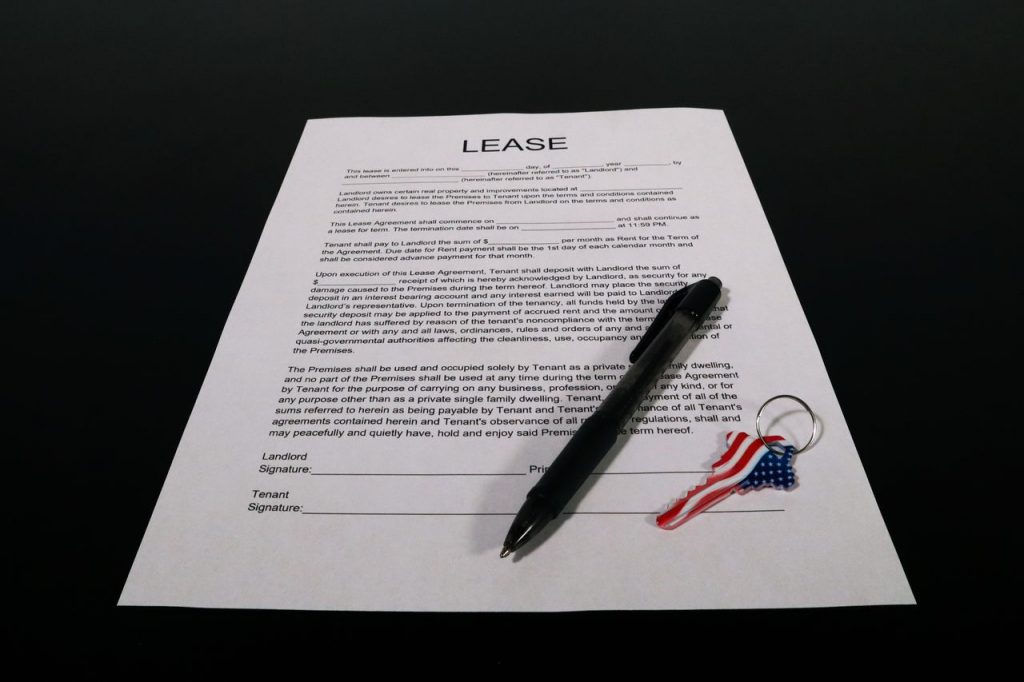
Tenants are central to the financial stability of many commercial properties. A building with attractive architecture and a strong location can still present substantial risk if its major tenants are financially weak or their leases are about to expire.
Review the property’s rent roll carefully. This document should provide information about tenants, leased space, rental rates, lease expiration dates, security deposits, and other relevant lease information.
Lease documents deserve equally close attention. Look for:
- Remaining lease duration
- Renewal options
- Rent escalation clauses
- Tenant improvement obligations
- Maintenance responsibilities
- Expense reimbursements
- Early termination provisions
- Expansion or contraction rights
- Exclusive-use provisions
- Options to purchase
- Guarantees and security arrangements
Tenant concentration is another important consideration. If one tenant represents a very large percentage of the property’s revenue, losing that tenant could have a major impact on cash flow.
Investors should also compare existing rents with current market rents. Below-market leases could provide an opportunity for future income growth, while significantly above-market leases may create a risk when tenants eventually renegotiate or leave.
A strong tenant profile does not eliminate risk, but it can make the property’s income stream more predictable.
What Due Diligence Should You Complete Before Buying?
Financial analysis alone cannot reveal every problem with a commercial property. A comprehensive due diligence process helps identify physical, legal, environmental, financial, and operational issues before you commit to the acquisition.
A professional property inspection should examine major building systems and components. Depending on the asset, this may include the roof, foundation, electrical systems, plumbing, HVAC equipment, fire protection systems, elevators, parking areas, and structural elements.
Environmental due diligence may also be necessary, particularly for properties with industrial or commercial histories that could involve contamination risks.
Review:
- Title and ownership records: Confirm ownership and identify liens, easements, or other title issues.
- Zoning: Verify that the current and intended uses are permitted.
- Permits: Determine whether previous construction or renovations were properly permitted.
- Environmental conditions: Investigate potential contamination or hazardous materials.
- Building condition: Identify immediate repairs and long-term capital requirements.
- Survey: Confirm property boundaries, access, easements, and encroachments.
- Insurance requirements: Determine whether the property presents unusual coverage challenges.
- Financial records: Compare reported income and expenses with supporting documentation.
Do not rely exclusively on information supplied by the seller. Independent verification can uncover discrepancies that materially change the investment’s projected returns.
How Do You Calculate the Potential Return?
After gathering the property’s financial and physical information, build a realistic investment model. This is where investors can determine whether the expected return compensates for the capital required and the risks involved.
Your model should account for the complete cost of acquiring and owning the property, not just the purchase price.
Include:
- Purchase price
- Closing costs
- Financing costs
- Immediate repairs
- Renovation expenses
- Capital improvements
- Property taxes
- Insurance
- Management expenses
- Vacancy and collection losses
- Ongoing maintenance
- Expected resale costs
If the strategy involves improving the property and eventually selling it, investors should also estimate the future sale price and transaction expenses. Those considering a value-add strategy may evaluate how renovations, improved occupancy, or higher rents could affect NOI and the property’s future value.
For investors researching how to flip commercial real estate, the same principle applies: projected resale value should be supported by realistic market evidence rather than an optimistic assumption.
Run multiple scenarios rather than relying on one forecast. A base-case scenario can represent reasonable expectations, while downside and upside scenarios can show how the investment performs if rents, occupancy, expenses, financing costs, or the resale timeline differ from expectations.
This approach makes it easier to identify which assumptions have the greatest impact on profitability.
What Red Flags Should Make You Reconsider a Property?
Even a property with attractive financial projections can contain risks that are difficult or expensive to resolve. Recognizing red flags early can prevent investors from committing capital to an unsuitable deal.
One major warning sign is a significant gap between the seller’s projections and the property’s historical performance. If projected income depends on rapid rent increases or immediate full occupancy, those assumptions should be independently tested.
Other potential red flags include:
- High or increasing vacancy
- Short remaining lease terms
- Heavy dependence on one tenant
- Deferred maintenance
- Significant upcoming capital expenditures
- Unexplained operating expenses
- Environmental concerns
- Zoning or permitting complications
- Litigation involving the property
- Unusually optimistic rent projections
- Declining demand in the surrounding market
- Difficult financing conditions
- Poor access or inadequate parking
- Major discrepancies between financial records and the rent roll
A red flag does not automatically mean the investment is unacceptable. Some problems can be negotiated into the purchase price or addressed through a well-designed business plan. The important question is whether the risk is understood, measurable, and adequately reflected in the investment’s expected return.
How Can You Make a Final Investment Decision?
The final decision should bring together the property’s physical condition, financial performance, market position, tenant quality, financing structure, and future potential. Rather than relying on one metric such as the purchase price or cap rate, investors should evaluate how the different components interact.
Create a concise investment summary covering:
- Acquisition cost
- Estimated market value
- Current and projected NOI
- Cap rate
- Occupancy
- Major tenants
- Lease expiration schedule
- Required capital improvements
- Financing assumptions
- Expected holding period
- Projected cash flow
- Potential resale value
- Major risks and mitigation strategies
Then test the investment under less favorable assumptions. What happens if the property remains partially vacant for longer than expected? What if repairs cost more than projected? What if interest rates or financing costs increase? What if the property takes longer to sell?
A commercial property becomes more attractive when its investment case remains reasonable even after conservative adjustments to key assumptions. Conversely, if the deal only works under highly optimistic projections, investors should investigate further or reconsider the acquisition.
Conclusion
Evaluating commercial property for investment requires a disciplined process that goes well beyond comparing asking prices. Investors need to understand the property’s location, tenants, income, expenses, physical condition, market value, financing requirements, and potential risks before committing capital.
The strongest evaluation combines quantitative analysis with thorough due diligence. NOI, cap rate, comparable sales, occupancy, lease terms, and projected returns provide important financial information, while inspections, zoning research, environmental assessments, and document reviews help uncover risks that may not appear in a spreadsheet.
Ultimately, the objective is not simply to find a property that looks inexpensive. It is to determine whether the asset can generate sustainable income, preserve or increase its value, and deliver an appropriate return relative to the risks involved. A carefully evaluated commercial property gives investors a stronger foundation for negotiating the purchase, developing an investment strategy, and making a confident long-term decision.
