

The High-Stakes World of Distressed Commercial Real Estate
Commercial real estate investing offers immense potential for wealth creation, but the most lucrative opportunities often hide behind a facade of absolute ruin. While the average investor hunts for turnkey properties or minor value-add projects, elite syndicates and seasoned developers look for the assets everyone else deems un-flippable. These are the abandoned structures, the eyesores, the environmental nightmares, and the properties ravaged by natural disasters. Taming these projects requires a blend of creative vision, rigid financial discipline, and a network of specialized contractors who can handle everything from toxic waste mitigation to complex structural engineering.
Transforming a commercial liability into a cash-flowing asset is not a task for the faint of heart. It demands a systematic approach that begins long before any demolition crew sets foot on the property. The difference between a massive payday and financial ruin lies entirely in the due diligence phase and the execution of a highly coordinated rehabilitation strategy. When dealing with properties that have sat vacant for years or have been severely compromised by external elements, you must look past the surface devastation and analyze the intrinsic value of the underlying asset.
This specific niche of the market allows for unmatched wealth generation because the barrier to entry is psychological as much as it is financial. Most buyers flee when confronted with heavy structural damage or municipal liens, leaving the field wide open for those who understand how to systematically de-risk a project. By mastering the mechanics of distressed property rehabilitation, you transform yourself from a mere real estate speculator into a true master of urban revitalization.
Evaluating the Risks and Valuing the Asset

Before committing capital to a distressed commercial property, you must understand exactly what you are buying. This is particularly true for specialized assets that carry inherent environmental liabilities. For instance, purchasing an abandoned fueling depot or a convenience store with defunct pumps requires an incredibly specific valuation process. You cannot rely on standard commercial valuation models when dealing with potential underground contamination or specialized zoning laws.
Securing a precise gas station appraisal is the foundational step when analyzing these specific types of high-risk properties. This process goes far beyond evaluating the square footage or the structural integrity of the convenience store building. A specialized valuation evaluates the status of underground storage tanks, historical soil data, compliance with environmental protection laws, and the projected cost of remediation. If the appraisal reveals that the cost of cleaning up environmental hazards outweighs the post-rehabilitation market value, the property truly is un-flippable. However, if the land value and location fundamentals remain strong despite the cleanup costs, you have found a prime candidate for a high-yield flip.
Furthermore, navigating the legal complexities during this phase is paramount. A comprehensive title search must be performed to uncover hidden tax liens, mechanic’s liens, or municipal fines that may have accumulated during the property’s abandonment. Understanding the local zoning landscape is equally critical; you must determine if the municipality will allow for a change of use if the original commercial purpose is no longer viable. Gaining clarity on these elements before closing guarantees that your capital is protected and that your exit strategy is realistic.
Managing the Initial Site Clearance and Debris Removal
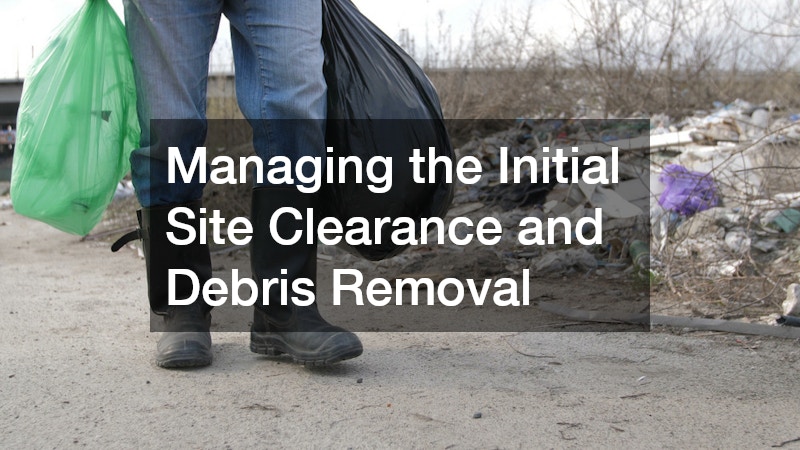
Once the acquisition is finalized and the necessary permits are secured, the immediate priority shifts to stabilizing the site and clearing out the accumulated detritus of neglect. Distressed commercial properties are frequently used as illegal dumping grounds, filled with abandoned equipment, broken furniture, and hazardous debris. To manage this massive logistical undertaking, establishing an efficient waste stream management system is paramount.
The cornerstone of this initial phase is securing a heavy-duty roll off dumpster that can handle the sheer volume of waste generated during a commercial gut-job. Unlike residential flips where a single small container might suffice, commercial transformations require a rotation of high-capacity containers strategically placed around the job site. This ensures that workers can quickly discard compromised interior walls, ruined flooring, and generic trash without creating bottlenecks that stall the project’s momentum.
Effective site management also requires strict adherence to safety protocols during this chaotic phase. Hidden hazards such as broken glass, unstable overhead fixtures, and compromised flooring can create severe liability issues if not managed properly. By maintaining a clean, orderly site with a constant cycle of waste removal, you protect your workforce, reduce the risk of costly accidents, and project an image of professional competence to local building inspectors who will frequently monitor the progress of your high-profile renovation.
Maximizing Salvage and Disposing of Heavy Materials
As the clearance progresses, you will quickly realize that not all waste should be thrown into a standard landfill container. Distressed commercial properties often contain vast amounts of valuable metal, from heavy-duty steel beams and copper piping to industrial HVAC ductwork. Savvy investors separate these materials to offset their overall demolition costs.
Transporting salvaged metal to a local scrap yard transforms a disposal headache into an immediate source of cash flow for the project. Industrial copper, brass, and structural steel can fetch significant payouts, which can directly fund the daily labor costs on-site. Simultaneously, you will often find yourself dealing with massive quantities of fractured pavement, broken sidewalks, and demolished interior masonry walls.
Handling this heavy debris requires a dedicated concrete disposal service to ensure compliance with local environmental regulations and to avoid exorbitant weight penalties from standard trash haulers. Recycling concrete is not only an environmentally responsible practice, but it also reduces your overall dumping fees, as specialized facilities crush this material into aggregate that can be reused for future construction projects. This meticulous sorting of waste streams maximizes efficiency and keeps the project’s bottom line remarkably lean.
Remediation of Superficial and Catastrophic Damage
With the heavy debris removed, the true condition of the structure becomes visible. Un-flippable properties almost always suffer from dual layers of degradation: superficial vandalism and catastrophic structural or environmental damage. Addressing both effectively is critical to restoring the property’s dignity and ensuring it passes future municipal inspections.
The exterior of a long-abandoned commercial building is almost always marred by vandalism. To restore the property’s curb appeal and signal to the community that a positive change is underway, investing in professional graffiti removals is an absolute necessity. Leaving tags and spray paint on a building lowers morale on the job site and can result in costly municipal fines that drain your contingency budget.
While vandalism is a superficial issue, internal disasters require far more sophisticated intervention. If the building has suffered from a localized or widespread blaze, ordinary cleaning crews will not cut it. You must hire a team that specializes in fire damage cleaning to handle toxic soot removal, deep smoke odor neutralization, and the stabilization of charred structural elements. Failing to properly remediate smoke and fire damage can lead to lingering air quality issues that will permanently drive away future tenants or buyers. These remediation specialists utilize advanced thermal fogging and ozone treatments to ensure that every trace of disaster is permanently eradicated from the building’s envelope.
Rebuilding Structural Integrity and Vital Systems
Once the property is clean, stabilized, and free of hazardous debris, the focus transitions from destruction to reconstruction. The core mechanics of the building must be entirely overhauled to meet modern building codes and ensure the long-term viability of the asset. This phase requires skilled tradespeople who specialize in commercial-grade infrastructure.
The topmost priority of any structural rehabilitation is ensuring the building is entirely weather-tight. A compromised roof will ruin all subsequent interior renovations, leading to mold growth and structural rot. Hiring a commercial roofer to inspect, repair, or entirely replace the roofing system is non-negotiable. Whether the property requires a flat rubber membrane, a standing-seam metal roof, or a traditional asphalt system, securing a certified professional guarantees that your interior investments remain protected from the elements.
Simultaneously, the building’s internal lifelines must be addressed. Years of neglect, freezing temperatures, or vandalism often leave the water systems completely destroyed. A comprehensive plumbing repair strategy must be executed, replacing outdated galvanized or copper pipes with modern, durable alternatives. This includes upgrading commercial restrooms, installing proper grease traps if the property is destined for food service, and ensuring the main water lines can handle the demands of future commercial tenants. Neglecting these deep-infrastructure systems during the rebuild will inevitably lead to catastrophic failures down the road, destroying both your physical property and your reputation as a quality developer.
Designing the Facade and Enhancing Visual Appeal
With the structural elements secure and the internal systems modernized, the project enters its most rewarding phase: the aesthetic transformation. The exterior appearance of a commercial property dictates its market value and its ability to attract high-paying national tenants or eager buyers.
Navigating this aesthetic overhaul requires the expertise of a professional architectural support service. These specialists help draft the exterior renderings, ensure compliance with local historical or commercial zoning guidelines, and select materials that balance visual grandeur with budgetary constraints. They bridge the gap between engineering realities and artistic vision, engineering a total transformation that stands out in the local marketplace.
To achieve a high-end, modern aesthetic without completely exhausting the construction budget, developers frequently turn to innovative building materials. Utilizing architectural foam has become a industry-standard secret for creating intricate exterior details, lightweight cornices, decorative columns, and complex window surrounds. This material offers the look of heavy, expensive pre-cast concrete or carved stone but can be installed at a fraction of the cost and weight, significantly reducing labor times and structural stress on the aging building frame. By choosing smart, modern alternatives, you achieve elite visual results while maintaining a healthy profit margin.
Strategizing the Exit and Maximizing Value Capture
As the physical transformation nears completion, your attention must pivot toward the final stage of the commercial flipping process: the execution of a lucrative exit strategy. The true value of a rehabilitated asset is not merely realized in its physical beauty, but in its ability to generate predictable, long-term economic returns. Investors must decide whether to lease the property to institutional tenants and hold the asset for passive income, or list it for immediate sale to institutional buyers looking for value-add investments with stabilized operations.
Attracting premium tenants requires a proactive marketing campaign that highlights the building’s total modernization. Marketing materials should emphasize the entirely new infrastructure, the energy-efficient upgrades, and the low future maintenance liabilities, which are major selling points for triple-net (NNN) corporate tenants. Securing a long-term lease with a creditworthy national brand significantly enhances the asset’s capitalization rate, dramatically increasing its ultimate valuation on the open market.
Furthermore, investors must work closely with commercial brokers who understand the local demographic trends and demand drivers. By presenting a clean, fully permitted, historically compliant asset that has been salvaged from the brink of destruction, you position yourself as a premier developer capable of delivering high-quality commercial spaces. The premium pricing achieved during the sale or lease-up phase provides the ultimate validation for the months of intense coordination, problem-solving, and capital allocation required to pull off such an ambitious undertaking.
Securing Long-Term Asset Viability and Market Positioning

To truly cement the project’s success, a comprehensive post-rehab maintenance and asset management plan must be deployed immediately following completion. Investors cannot simply walk away after the final coat of paint dries; they must safeguard the asset against future depreciation. Implementing smart building technology, such as automated lighting systems, efficient HVAC sequencing, and remote security monitoring, ensures operational costs remain minimal for incoming tenants.
This tech-forward infrastructure drastically boosts the property’s appeal to modern corporate standards, lowering vacancy rates and ensuring a reliable, predictable stream of rental revenue. Additionally, establishing a proactive preventative maintenance schedule keeps critical structural guarantees active, preserving the value of the massive capital improvements executed throughout the build. By maintaining peak operational efficiency and tracking local market absorption rates, you position the property as a highly competitive option for future capital markets, successfully finalizing the lifecycle of a distressed asset flip.
Reaping the Rewards of Distressed Property Investments
Flipping an un-flippable commercial property is an intricate dance of risk management, project coordination, and creative engineering. By systematically addressing each phase of the project—from the initial environmental valuation to the final aesthetic touches—investors can unlock massive amounts of equity hidden beneath decades of neglect.
The journey from a blighted community eyesore to a thriving commercial hub requires patience, a thick skin, and an unwavering commitment to the numbers. However, for those willing to navigate the complexities of heavy debris management, deep disaster remediation, and modern architectural redesign, the rewards are unmatched. You don’t just walk away with a highly profitable real estate asset; you actively revitalize a community, turning a monument of urban decay into a beacon of economic growth.
